
We all know what it’s like to feel stressed, overextended, imbalanced in life, and unwell. It’s not fun. But how often are we actively aware of what contributes to this state, and know how to actively regain our sense of balance and wellness in life? In this post, I hope to shed some light on just that question.
What is Integrative Wellness?
Integrative comes from the word, integrate, which means to bring or merge together. In terms of wellness, integrative means to bring together and apply various disciplines, perspectives, modalities, techniques, and tools to more effectively achieve wellness.
I view wellness and wellbeing in our lives the same way I view people – as holistic. Now, what does holistic mean? Is this just fancy woo-woo talk?
Holistic means the sum of and connection between parts. It is to understand something and how it functions as a whole, rather than as separate components that operate in isolation. In terms of wellness and health, holistic often means referring to the whole of a person, including mental, social, and emotional factors related to health and wellness, not just physical factors.
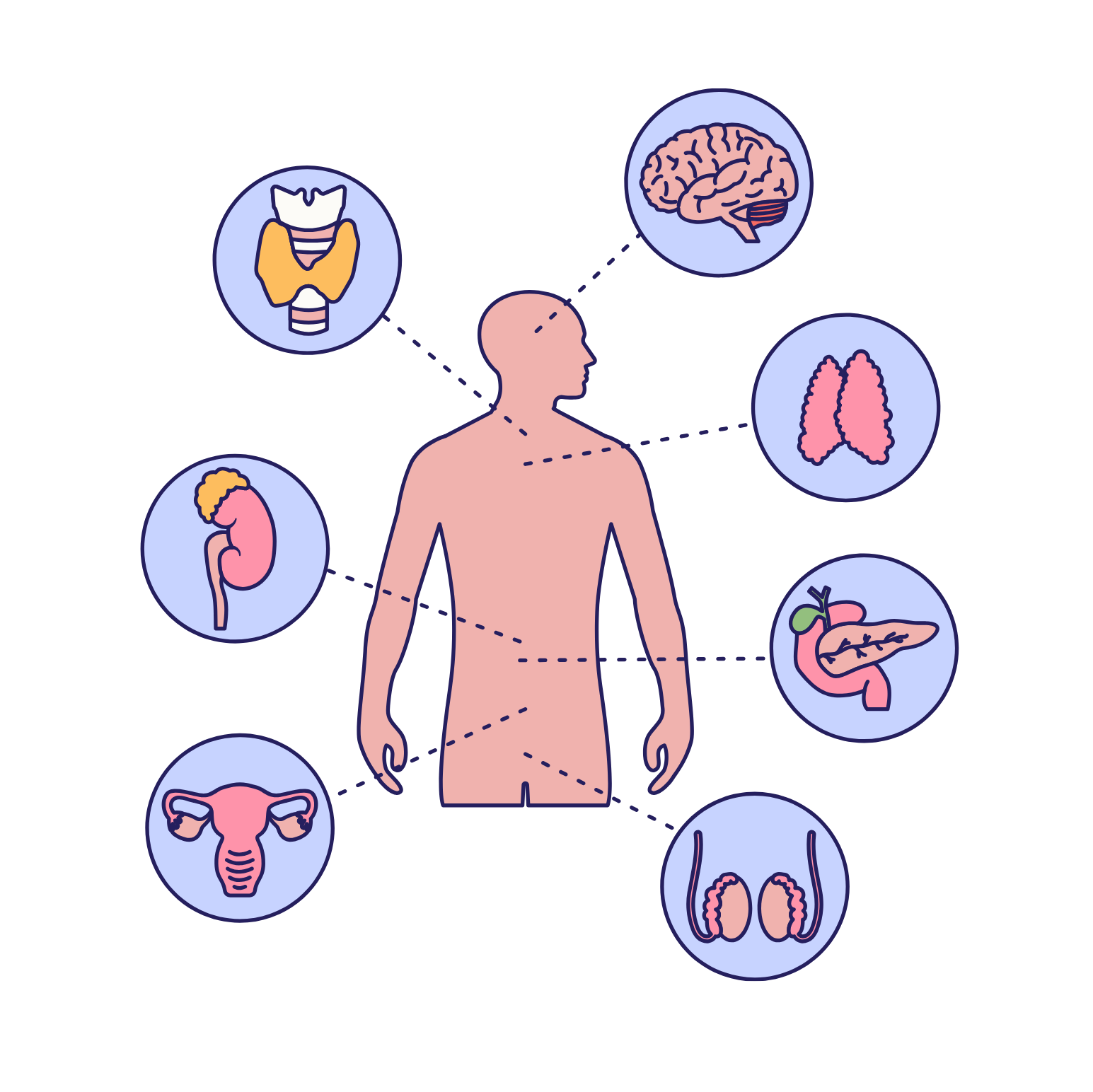
The body, for example, is holistic, even on just a physical level. Our various organs and organ systems, although seemingly separate, function together and are interconnected. That means, when something happens to one organ or system, it is likely that another system or part of our body will be impacted or engaged. We can only truly comprehend how the body works by understanding all these systems and how they work together.
Something as simple as a cut (damage to our skin, which is an organ) activates our immune system. We start to bleed and our immune system immediately starts tending to our wound, helping to clot the blood, fight off potential infection, and ensure the wound seals and regrows.
Similarly, if we have organ or system failure, that will significantly impact the rest of our body and the other systems in it. If the heart stops working, then we can’t get oxygen-filled blood to other important parts of the body, like the brain, and therefore, these other organs and systems will stop working properly. And then kaput.
Let’s move beyond just the physical body to the whole human being, looking through a holistic lens. One way to understand people as holistic is that we have four main systems that make up who we are (systems of self). These include the Mental, Emotional, Physical, and Spiritual systems.
The Mental System includes our thought life overall – our thoughts and beliefs about ourselves, others, and the world, as well as our thinking-behavior patterns.
The Emotional System includes our feelings, unconscious mind, and relationships with ourselves and others.
The Physical System includes our physical body and health, things like fitness and nutrition, as well as other things in our life that we create, or have or don’t have, such as a career, finances, house, clothing and material items, and so on.
The Spiritual System includes our Highest Self or True Self and our connection to a higher power, however we might define or relate to such (whether that is our Highest Self, God, the Universe, Spirit, Creator, Energy, Source, the Collective Unconscious, etc.). It also includes our personal development and growth, as well as how we enact our spiritual life (e.g. meditation, prayer, participating in an organized religion, attending a spiritual community or place of worship, etc.).
While we can look at and try to understand one system from the other separately, they are inherently interconnected, meaning that what happens in one often affects one or more of the other systems.
Wellness is all about balance in all of these systems of self
When our systems of self and areas of our lives are in balance within their own system and with relation to the others, we experience balance, harmony, greater ease and wellbeing in life. Similarly, if we are out of balance in one or multiple of our systems or areas of life, then we tend to feel greater turbulence in life, stress, dis-ease rather than ease, and perhaps disease or illness in the physical body.
And that will look different for everyone!
I want to stress this — there is no universal form of wellness. Balance in all four systems of self, and wellness, is going to look different for everyone, and that is okay! Similarly, how imbalance shows up in our lives will also look different for each of us. What feels balanced for me, and what works for me to achieve, regain, or maintain balance in different areas of my life might not work for you. And vice versa. We are all unique, with unique lived experiences, interests, capacities, goals, and thus must understand and care for our wellness in relation to those individual contexts.
Returning to our original question, what is integrative wellness:
Integrative Wellness is the application of a range of disciplines, perspectives, modalities, techniques, and tools to effectively achieve or move towards balance in all four systems of self.

How does Integrative Wellness apply to our everyday life?
Think about how often you experience stress: whether it’s at work, or you got in an argument with your partner or friend that’s lasting longer than usual, or maybe you are struggling financially. You name it. How does that show up in other areas of your life?
We might be quick to lose our temper or cry more easily (emotional). We might not sleep well, experience fatigue, or turn to more comforting, but less healthy, foods and beverages, or consume in greater proportions than normal (physical). We might start obsessing over the issue in our mind, maybe it’s hard to concentrate, or we start spiraling down that all too familiar funnel of doom where we imagine the worst case scenario (mental). Perhaps we pull away from friends and family because all of this is rather overwhelming and we are exhausted and just want to be alone (emotional). If this sounds familiar, you aren’t alone. I’ve been there too.
This might occur for a short period of time, or last longer. And we can often take actions to move back towards balance in each of our systems. Maybe we were able to have a hard conversation with someone at work, or our partner, or we stabilized our employment, which helped resolve the root issue of the stress we were experiencing, and voila! we start to reset ourselves and regain balance: we sleep better, start eating better, our mood is calmer, and we can think more clearly and enjoy spending time with friends.
We can see how our systems of self are so tightly interrelated. While this example was pretty straightforward, there are a few key things to note.
First, everything is interconnected. All our systems of self relate to the other.
Second, getting to the root cause of an issue can help resolve balance in other systems of self and areas of our life. Taking ZzQuill might help us sleep better, but it’s only a band-aid and not a sustainable long-term solution because it ignores the root cause (in our example, the stressful issue at work, the argument with our partner, or our financial challenges).
Third, we can maintain balance in ourselves and in our lives even if one area of our life is out of balance. Our hypothetical scenario could have gone differently. Instead of all other aspects of our self and life spiraling out of control and falling out of balance because of the stress at work, we could have said: “Okay, Self, I know this situation at work isn’t going well and it’s really stressing you out. I can sense that you’re getting more irritable and we know that when we get stressed we have a pattern of turning to those cookies and chips, drinking more than usual, binging Netflix and staying up late, and then feeling like garbage, which just makes it all worse.”
And in that self-awareness of our patterns, we could have made intentional choices and taken action to care for those other systems and maintain them with greater attention, ensuring they remain in balance. We could have taken special care to exercise a bit more and make more nutritious meals. Or have some self-care time like meditating, getting a massage, reading a good book, watching a favorite movie, or playing music, and intentionally spending time with friends to have fun rather than avoiding them to stew in our stuff.
Life is truly a balancing act. It takes practice, some effort, and probably learning a few new skills and tools, but everyday we have the ability to assess what is in and out of balance in our life, identify what we need to restore or maintain balance, and take action to do just that.
No matter how severe the imbalance in our lives, no matter how unclear and confusing our life feels sometimes, no matter how deeply rooted an issue is in our past, it is possible to heal, to clear what is limiting us, to reconnect to our True Selves, remember our inner gifts, wisdom, and power, and to regain balance, clarity, and wellness in life.
I wish this for all of us!
We are healers. We are the leaders of your own lives. We have the answers inside of us.
With gratitude,

– If you found this valuable or interesting, please consider sharing it or subscribing to my newsletter! I’d also love to hear from you and hear your thoughts. And if you are interested in learning more about Integrative Wellness and Life Coaching, and venturing forth on this journey of self-discovery, healing, clarity, and balance, please reach out! You can contact me at info@liveclearlifecoaching.com or fill out the form on the Contact page of my website http://liveclearlifecoaching.com
References:
Cleveland Clinic (2024). Organs. https://my.clevelandclinic.org/health/articles/organs-in-the-body
Johns Hopkins Medicine (n.d.). How Wounds Heal https://www.hopkinsmedicine.org/health/treatment-tests-and-therapies/how-wounds-heal
Eva, R. (2015) The Textbook for Integrative Wellness & Life Coaching. Integrative Wellness Academy.
 Live Clear Integrative Wellness & Life Coaching