In response to Alexia Barrable, PhD, and her post about the difference between nature contact (being exposed to nature) and nature connection (holding a relationship with nature). Thank you for stimulating such valuable dialogue and contemplation.
I appreciate this reflection, and those in the comments as well, and it speaks to an important distinction, indeed. I’m running my own practice as a Nature-based Mindfulness Coach and Educator, which draws on both nature/health and mindfulness research and practices, to promote reconnection/relationship with nature and with oneself as a means to improve holistic wellness and life satisfaction.
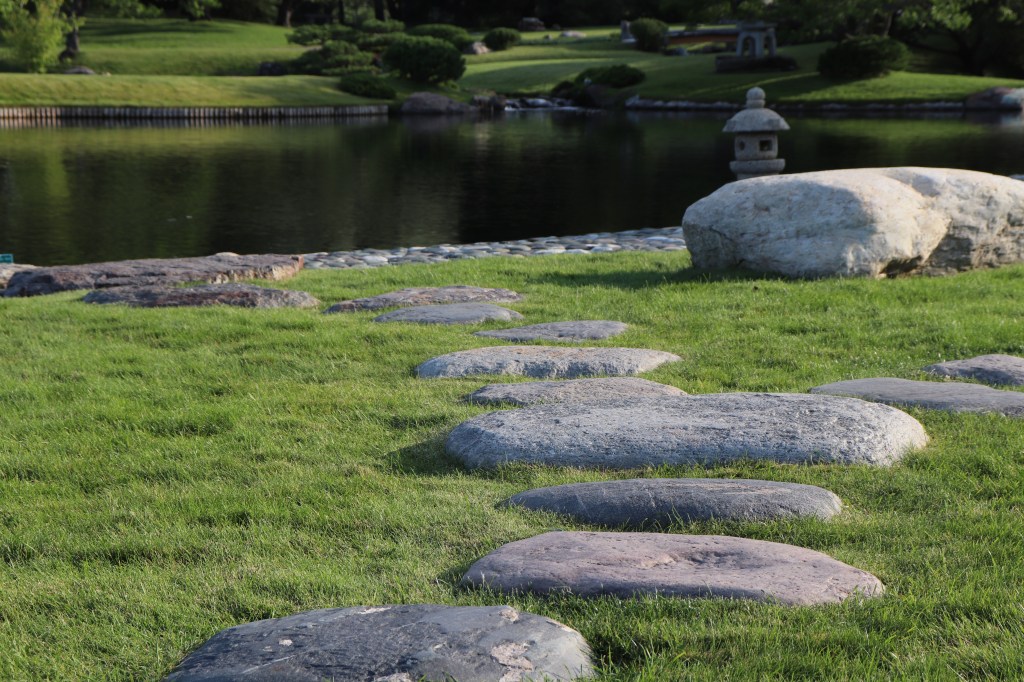
As one who has cultivated a connection/relationship with nature since childhood, my relationship now is drastically different from when I was a kid. Much of that is due to contact: hiking, camping, climbing, trail running, walking the local park behind my childhood home and skipping stones, catching crayfish in the creek at summer camp, etc. I was privileged and lucky to have a situation where nature access was easy and my parents encouraged and valued it. Yet, I wasn’t taught anything explicit about “connection” or relationship, other than simple ethics like littering is bad, and my dad occasionally spoke about how nature has a certain “energy” (he wasn’t a man of many words).
Dr. Barrable’s note that contact and connection may be correlated but do not inherently have a causal relationship rings true in my own personal experience. I owe a lot of the development in my thinking and the evolution of my relationship with nature to several other experiences over the last two decades, which include study, reading, writing, teaching, intercultural engagement, struggling with my own physical and mental health, therapy, spiritual exploration, and developing my own mindfulness practice.
In greater detail, some of these examples include: studying conservation and ecology in college alongside religious studies which offered a unique bridge between worldviews and disciplines; thinking, reading, and writing about how spiritual perspectives can shape and inform environmental ethics; working alongside and learning from incredible Indigenous leaders, elders, and scholars in Canada and the U.S. on environmental and bio-cultural initiatives while engaging in ceremonial traditions, seeking to understand different worldviews rooted in the environment and experiencing first-hand the beauty and healing of such traditions and witnessing the ways in which these enhance community culture, cohesion and wellbeing; learning about and developing my own mindfulness practices (yoga, meditation, mindful nature walks); studying political ecology and engaging in works that question and critique economic systems; teaching college classes that immersed students in nature, paired with self-awareness and reflective activities; learning and teaching about United States history, the process of settler-colonialism, institution of slavery, and how these shaped our society, economy, and cultural values; teaching classes on social and environmental justice and engaging diverse authors with different experiences and relationships to nature; questioning my own worldview and social conditioning around race, gender, success, productivity, money, power, work, my place in nature, and so on; contemplating the ego and consciousness; the list goes on.
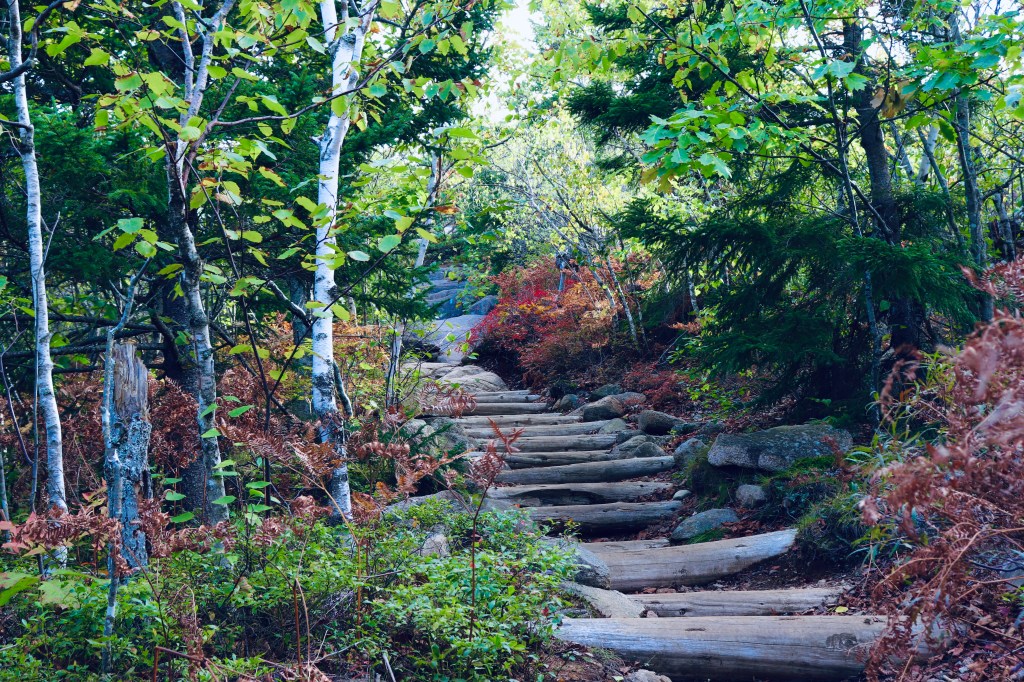
The point is, that in my own experience, cultivating a different kind of relationship with nature than that which I had in childhood, required, in some ways, a shift in my worldview and self-view, which seems to be the result of many interrelated experiences, reflections, and processes over 20+ years. We are, as Blackfoot and Ojibway Elders and knowledge holders taught me, the collection of our experiences, lessons, and relations which we bring with us.
Simple nature contact or exposure is a wonderful and beneficial thing. As we know, research supports the numerous physical and mental health benefits of being outside in nature. This, in itself, is something that serves public health and is necessary. And as Dr. Barrable and others point out, nature contact may contribute to – and I’d argue is required for – a shift in one’s relationship to nature. It’s hard to have a relationship with something with which you lack any contact or exposure.
That said, I also think (personal opinion) that nature connection – a deeper, internal, philosophical, and/or spiritual relationship with nature – may enhance the benefits we receive from nature contact, might engender a deeper engagement and care ethic for the earth, and perhaps even a more compassionate relationship to oneself and to others. Admittedly, I’m not updated on that part of the research in full. I also believe that ultimately a connection/relationship with nature rooted in reciprocity, respect, care, and gratitude (which many other cultures across the world uphold), is necessary to transform the structures and systems in our societies that continue to exploit, oppress, harm, and perpetuate inequality, scarcity, and competition.
Mi’kmaq Elder, Albert Marshall, offered the concept of Two-Eyed Seeing which is to see the world with the strengths of an Indigenous view and the strengths of a Western-scientific view. Dr. Robin Wall Kimmerer, in her phenomenal book “Braiding Sweetgrass”, encourages settlers to consider how we can restore a relationship to the land and become “Indigenous to place”, being like the plantain who offers its gift to the land and the beings therein, despite being a non-native species, versus invasive species like kudzu that simply take over. I’m not suggesting appropriation of other cultures, rather a respectful engagement, bridging, learning from, embracing, and inclusive approach to life that promotes holistic self development in a way that uplifts the wellbeing of all life.
Planetary health acknowledges the role that humans play in affecting the health of the environment and the inherent interconnectedness between environmental and human health. At the end of the day, anything that encourages respectful and healthy contact with nature, a more conscious awareness and deeper relationship with nature, with oneself, and with others, and promotes both planetary and human health, has my vote.
 Live Clear Integrative Wellness & Life Coaching
Leave a comment